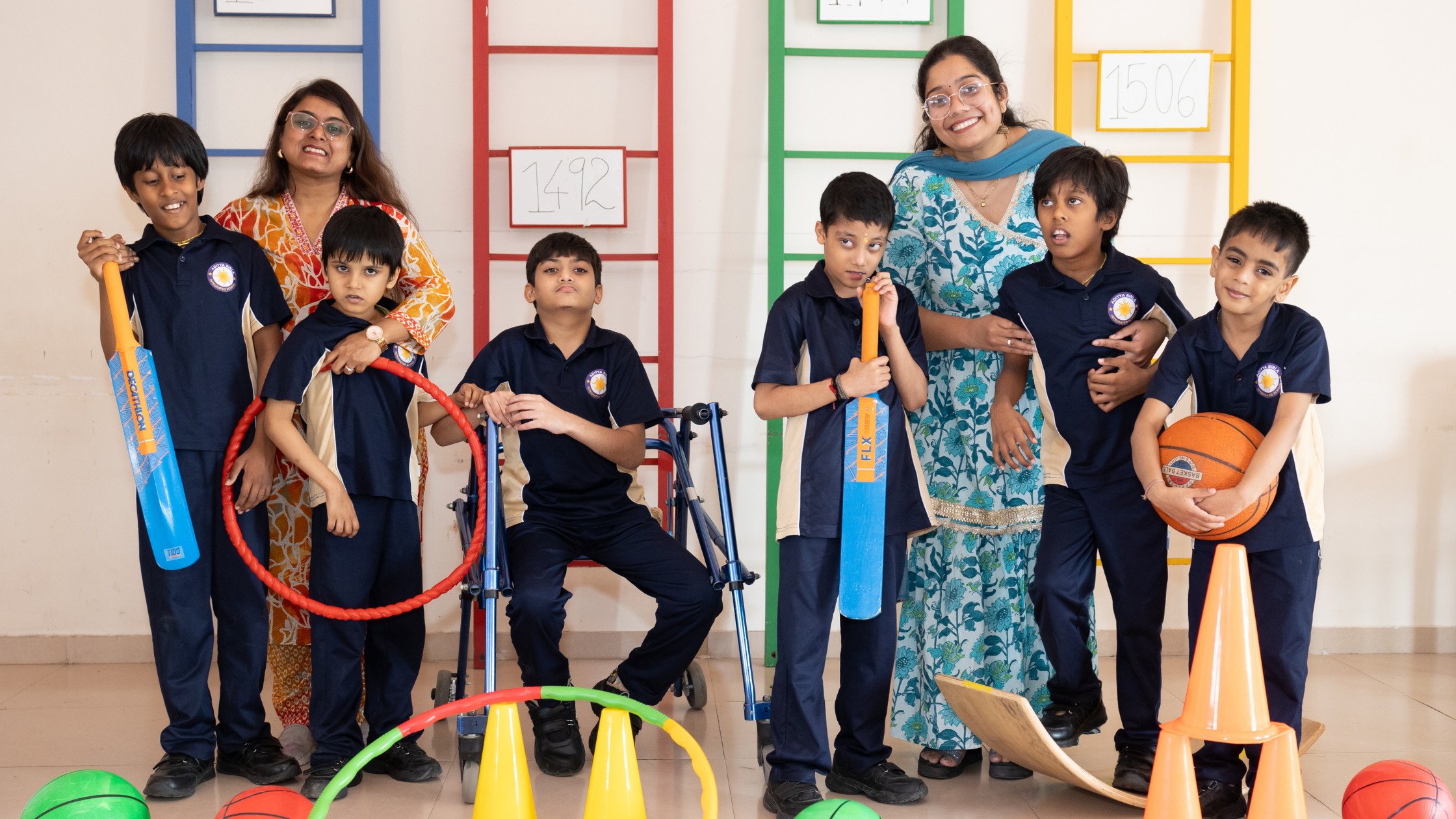
For a child, play is not just a fun way to pass the time - it is their most important job. It is the natural lab where they explore how the world works, learn how to control their bodies, make friends, and build the brainpower they need for everyday life. When we look at play, we often only notice the physical actions, like catching a ball or building a tower. But beneath the surface, play teaches critical "invisible" life skills. For instance, when a child plays a board game, they aren't just moving a plastic piece across a board. They are practicing emotional regulation, learning how to handle the disappointment of losing or the impatience of waiting for their turn. They are also building executive functioning skills, which include focusing their attention, planning their next move, and remembering instructions. These hidden skills are the exact building blocks kids need to succeed in a regular school classroom.
In this article TABIS, the top inclusive school for students with learning disabilities is providing the valuable inputs on the power of play in supporting students with special needs.
However, for children with special needs - including those with Autism, ADHD, Cerebral Palsy, Down syndrome, or Sensory Processing Disorder - learning how to play doesn't always happen automatically. Physical challenges, sensory overload, or learning barriers can easily turn what should be a fun, natural activity into a source of major frustration.
This is where Pediatric Occupational Therapy (OT) comes to the rescue. OTs don't look at play as a reward a child gets after doing "hard work." Instead, play is the work. By using play as both the main goal and the primary tool, OTs help children with special needs reach their full potential in a way that feels natural and fun, rather than like a boring doctor's appointment.
Occupational therapy turns normal playtime into a purposeful, carefully planned activity. Depending on a child's unique needs, a therapist will target different skills by using activities the child already loves.
As children grow and develop, their play evolves too. So therapists adapt their approach to match each child’s current abilities, interests, and developmental needs. Based on these changes, here are the four main types of play -
Exploratory and Sensory Play: Learning how things feel, sound, and move.
Constructive Play: Building and organizing objects, which teaches how shapes and spaces work together.
Pretend Play: Using imagination and roleplay to develop language and understand other people's feelings.
Games with Rules: Learning how to cooperate, share, and take turns with peers.
An Occupational Therapist doesn't just work with the child in isolation; constant reinforcement at home helps the child master new skills much faster. By learning the same techniques the therapist uses, parents can turn everyday chores and routines into fun mini-games.
Learn about How Can Parents of Special Needs Children Cope With Grief?
While occupational therapists use their expertise to create purposeful play experiences during therapy sessions, parents play an equally important role in reinforcing these skills at home. By adding simple structure and intention to everyday play, you can help your child stay engaged, build confidence, and practice important developmental skills in a way that still feels fun and natural. Here are 5 principles you can follow at home to make play more structured and meaningful for your child:
Pay attention to what the child is naturally drawn to. Whether it’s dinosaurs, finger painting, or blocks, and build the therapy goals around those specific interests. When a child is actually interested in the activity, they learn much faster.
An Occupational Therapist always has a clear goal in mind, like improving a child's grip strength, balance, or hand-eye coordination. However, they hide these goals inside activities that just feel like fun games to the kid. So always make sure you know what goal you are working on or want to work on.
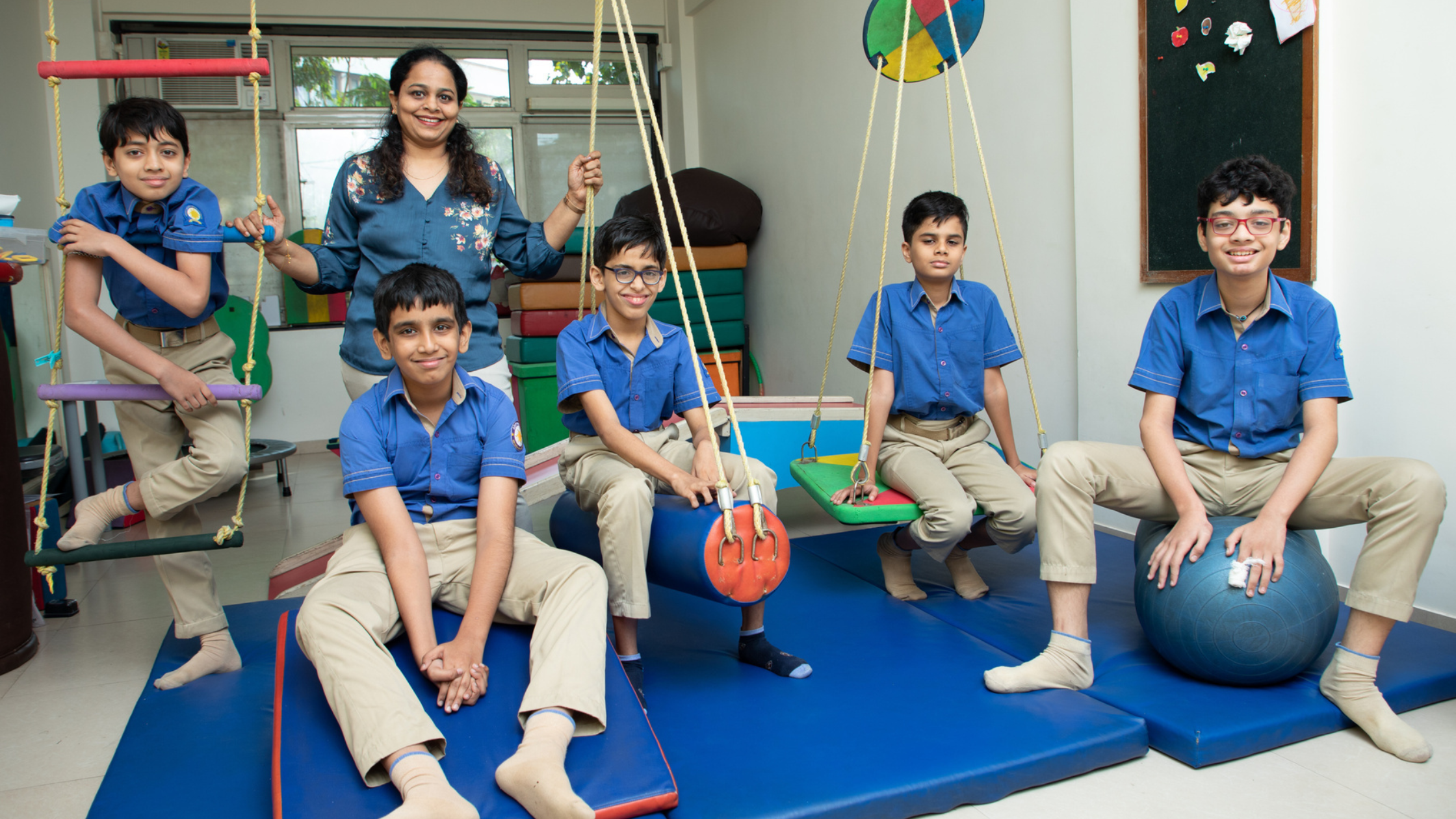
In summary, when you watch a child with special needs laughing as they crash into a pile of foam mats or focusing deeply on threading a noodle onto a piece of string, you are witnessing something amazing. You are watching neuroplasticity in action, which is the actual rewiring of the brain. Through these playful moments, kids push past their boundaries and gently dissolve their limitations.
Play is not a luxury; it is a basic human right for every single child. By using play-based therapy, occupational therapists ensure that children with special needs aren't just getting through their daily routines, they are truly flourishing, exploring, and experiencing the solid joy of being a kid, one game at a time.
Read our blog on How Can Parents Manage Panic Attacks in Children With Special Needs?
To facilitate play for a child with special needs, focus on creating a safe, engaging, and supportive environment that matches the child’s interests, abilities, and developmental stage. Parents and caregivers can start by following the child’s lead, choosing activities they enjoy, and gradually introducing new challenges through play. Simple adaptations, such as modifying toys, reducing sensory distractions, providing extra support, or breaking activities into smaller steps, can help children participate with confidence. Play-based occupational therapy also uses these strategies to improve motor skills, sensory processing, communication, social interaction, and independence.
The 6 C’s of play are key elements that describe how meaningful play supports a child’s overall development:
Connection – Building relationships and social bonds through shared play experiences.
Communication – Developing language, expression, and understanding through interaction.
Creativity – Encouraging imagination, exploration, and problem-solving.
Collaboration – Learning how to cooperate, share, negotiate, and play with others.
Critical Thinking – Developing decision-making, planning, and problem-solving abilities.
Confidence – Building independence, self-esteem, and the belief that they can succeed.
Together, these skills show that play is not just entertainment—it is a powerful tool for learning and development.
Tailored play activities are carefully designed play experiences that match a child’s unique abilities, interests, developmental stage, and learning goals. Instead of using the same activities for every child, parents and occupational therapists adapt games, toys, and routines to target specific skills such as fine motor coordination, sensory processing, communication, social interaction, emotional regulation, and problem-solving.
For example, a child who enjoys building blocks may practice hand strength, planning, and creativity through construction play, while a child who loves pretend play may develop language and social skills through role-playing activities. By making play meaningful, achievable, and enjoyable, tailored play activities help children with special needs learn new skills with greater confidence and engagement.